Anticipatory Bail in Faridabad Under Section 482 BNSS: A Simple Step-by-Step Guide
Getting a call that an FIR might be filed against you is frightening. Your mind races. Will the police arrest.
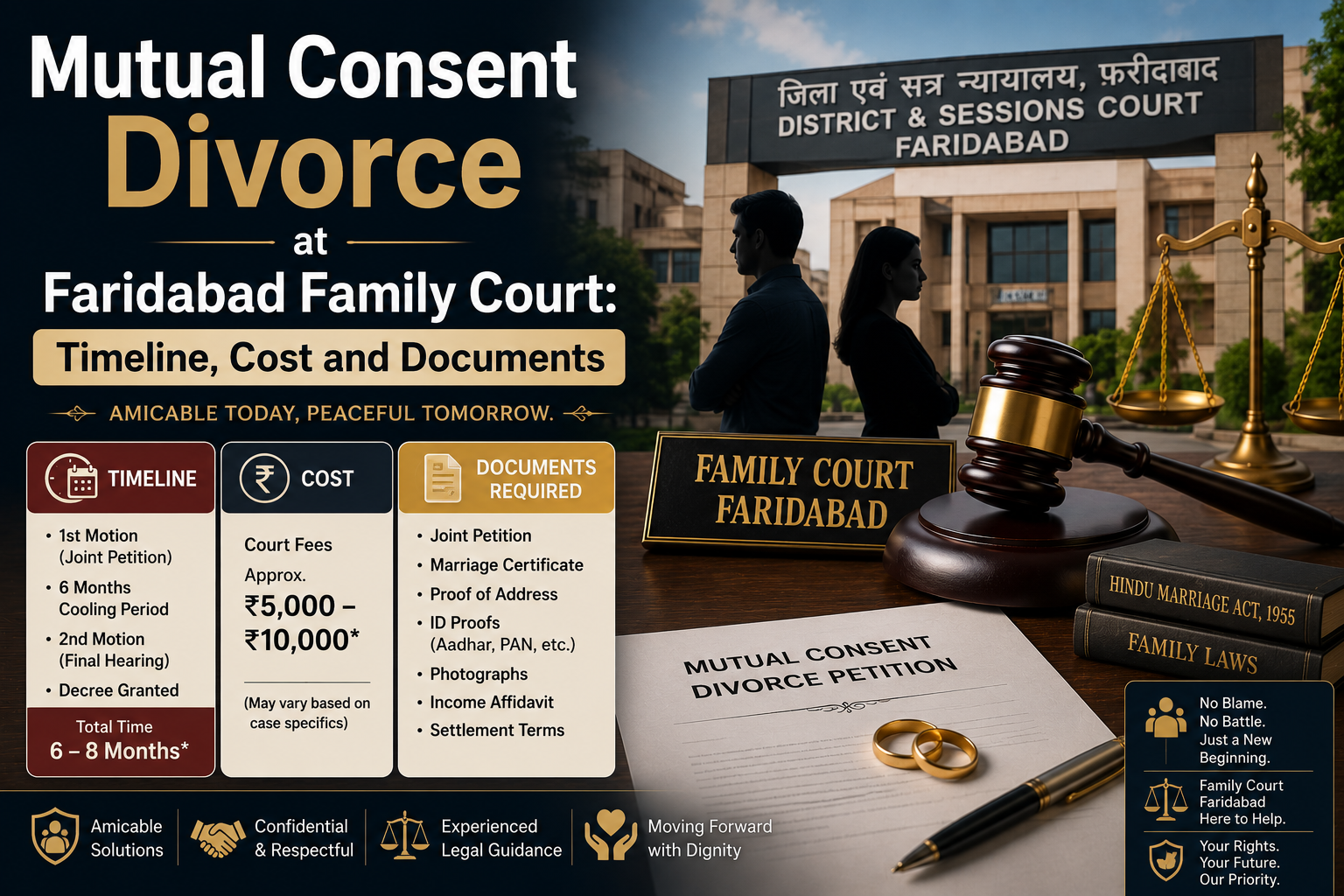
Not every marriage ends in a courtroom battle. Sometimes both people simply accept that it is over, and want to part with dignity.
That is exactly what mutual consent divorce is for. It is the fastest, cheapest and least painful way to end a marriage in India — no allegations, no character assassination, no years of hearings.
Here is how it actually works at the Family Court in Faridabad.
Note that the new criminal laws (BNS, BNSS, BSA) did not change divorce law. Family law statutes remain exactly as they were.
For a mutual consent divorce, you must show that:
“Living separately” does not always mean living at different addresses. Courts have accepted that a couple staying under the same roof but not living as husband and wife qualifies.
One important restriction: under Section 14 of the Hindu Marriage Act, a divorce petition generally cannot be filed within one year of marriage, except in cases of exceptional hardship.
Before filing, both sides agree on the practical issues — alimony or permanent settlement, child custody and visitation, stridhan and jewellery, and property. This is usually recorded in a written agreement.
Get this right. Most mutual divorces that collapse do so because money and custody were left vague.
A joint petition is filed before the Family Court, Faridabad. Both spouses appear, and their statements are recorded on oath. The court verifies that consent is genuine and not obtained by force.
The law provides a six-month waiting period after the first motion, with an outer limit of eighteen months. The idea is to give couples a chance to reconsider.
Both parties appear again and confirm they still want the divorce. Statements are recorded a second time.
The court passes the decree of divorce. The marriage is legally over from that date.
Yes — and this is the single most useful thing to know.
In Amardeep Singh v. Harveen Kaur, the Supreme Court held that the six-month period under Section 13B(2) is directory, not mandatory. A Family Court may waive it where:
A waiver application is filed along with the first motion. Where granted, a mutual divorce can conclude in a few weeks instead of many months.
You can file before the Family Court where:
Timeline:
Cost: Court fees are nominal — a few hundred rupees. The real expense is professional fees, which vary with complexity and the advocate’s experience. Ask for a written fee structure covering both motions before you engage anyone. Be cautious of anyone promising a “one-day divorce” — no such thing exists.
Either spouse can withdraw consent any time before the second motion. If that happens, the mutual petition fails and the matter may turn into a contested divorce.
This is precisely why a properly drafted settlement — with payments structured around the motions — protects both sides.
Mutual consent divorce is designed to be humane. Two adults, one agreement, two court appearances, and a clean end.
The couples who struggle are usually those who filed with unresolved money or custody questions, or who did not know the cooling-off period could be waived. Sort out the settlement first, and consider engaging an experienced divorce advocate in Faridabad who regularly appears before the local Family Court — familiarity with the court’s practice genuinely shortens the process.
Note: This blog is just for educational purposes; it does not act as legal advice. For legal representation, contact a practising advocate. This blog cannot be used as legal evidence or for legal purposes.

 Blog
Blog
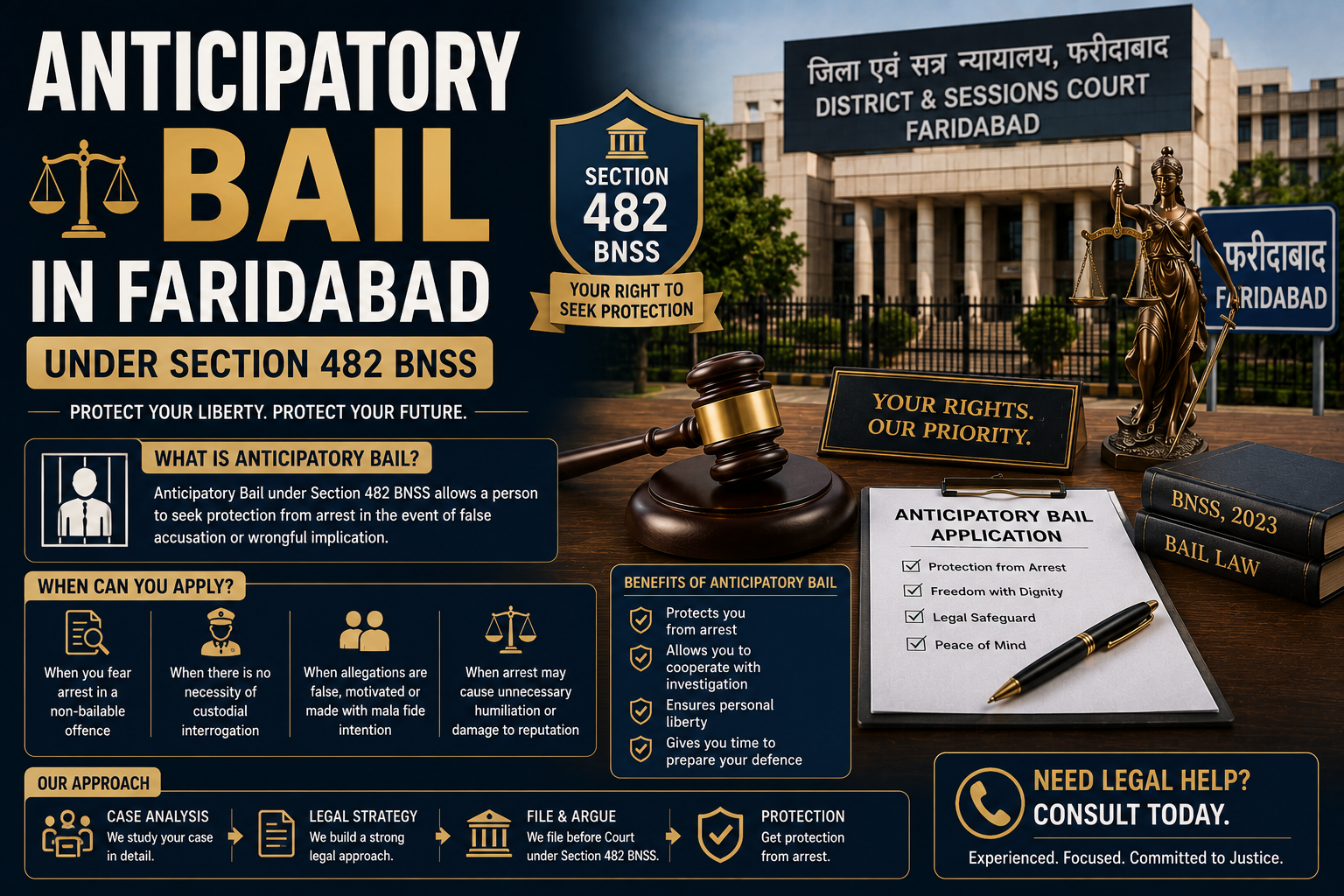
Getting a call that an FIR might be filed against you is frightening. Your mind races. Will the police arrest.
 Blog
Blog
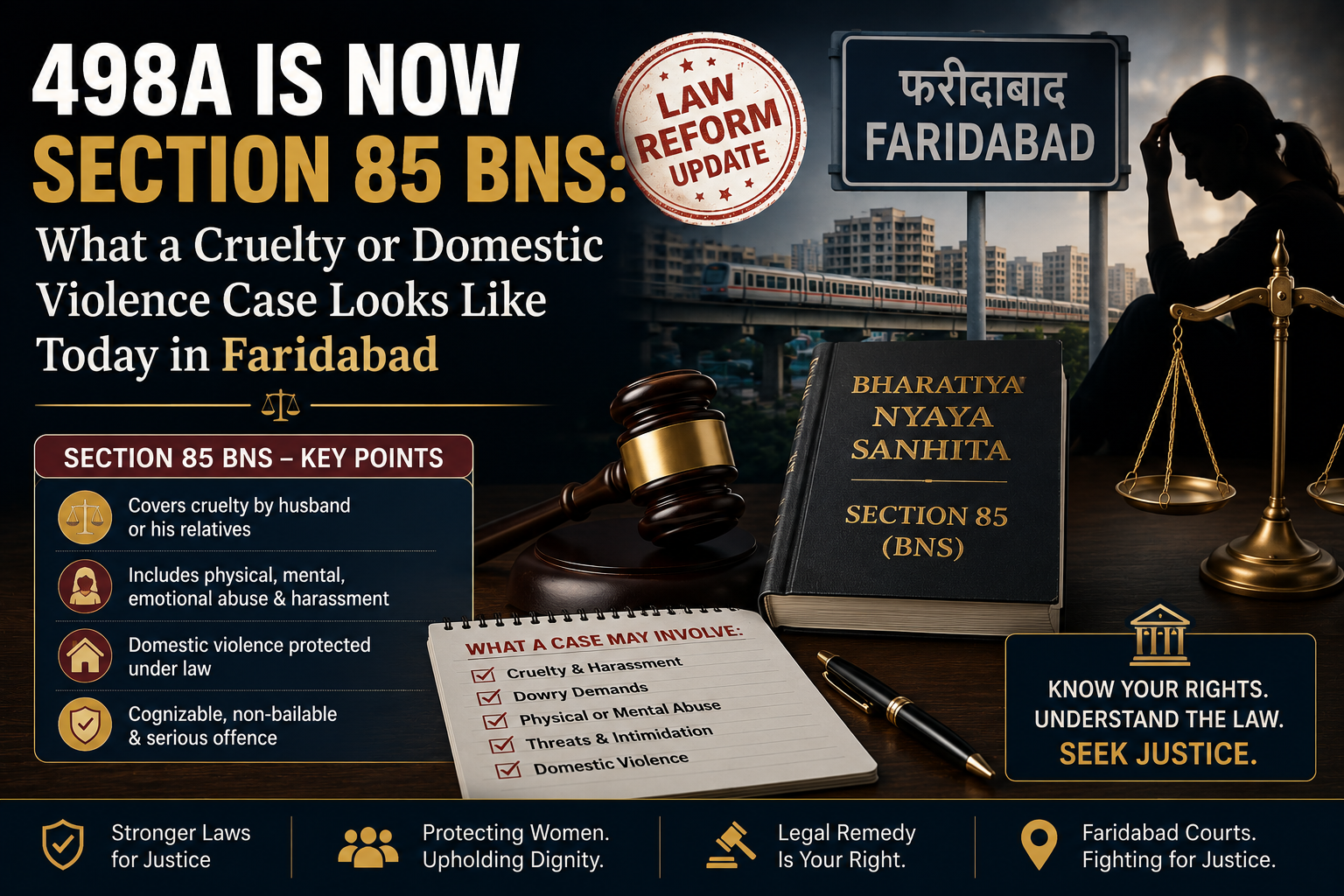
For decades, three characters carried enormous weight in Indian family disputes: 498A. Mention that number and everyone understood — a.
 Blog
Blog
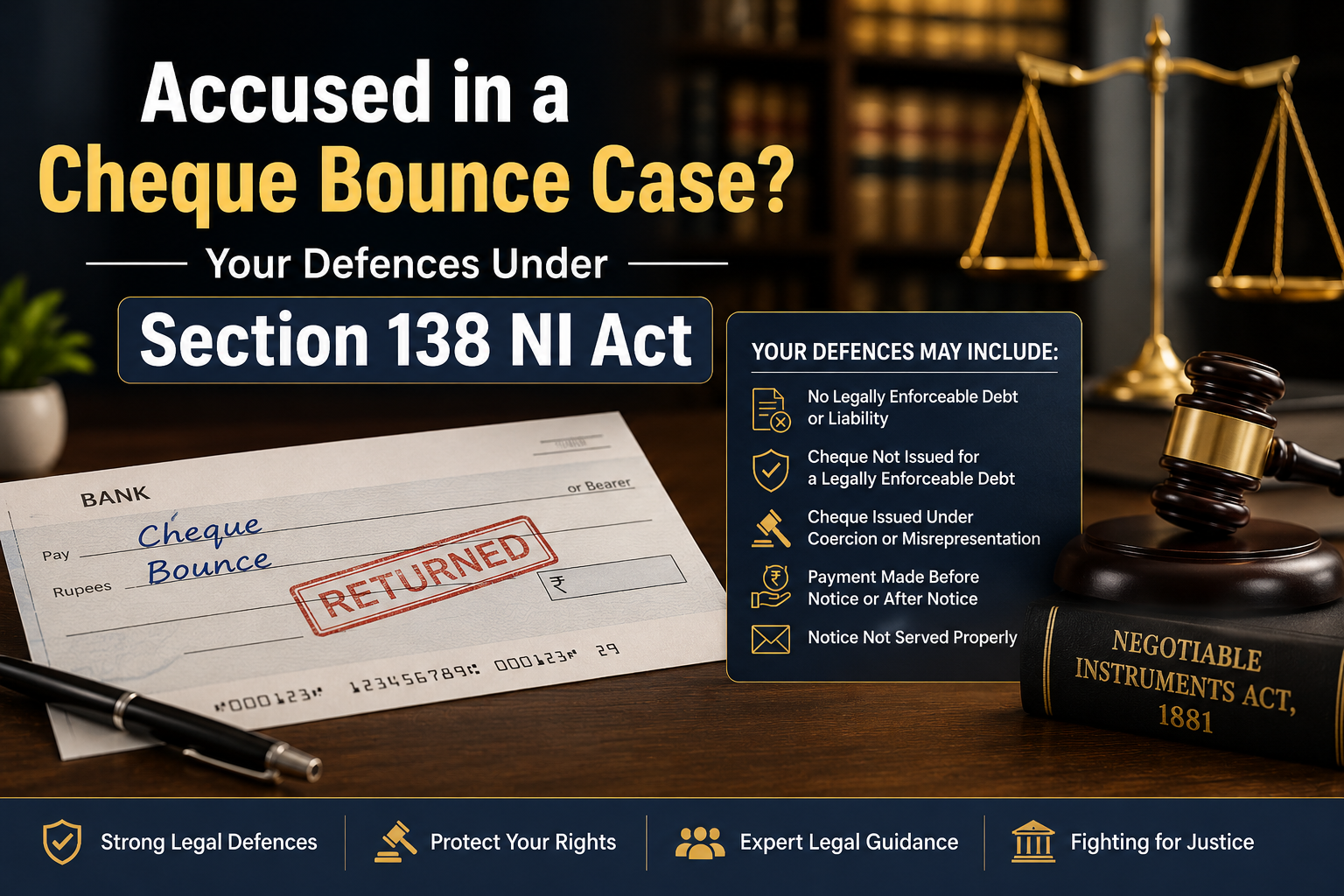
A court summons arrives. Your name is on it, and the words "Section 138, Negotiable Instruments Act" stare back at.
 Blog
Blog
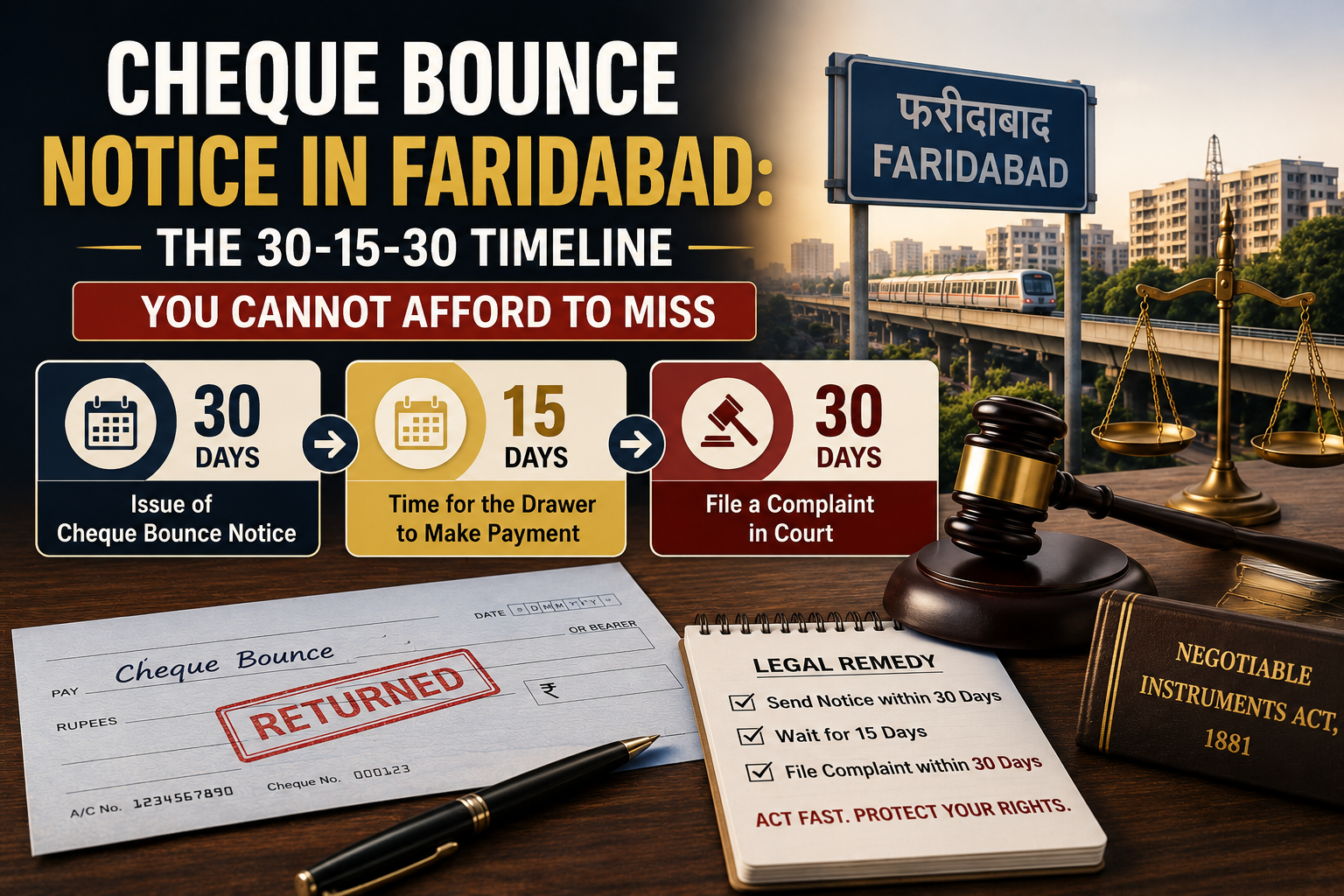
Someone gave you a cheque. You deposited it. The bank returned it unpaid. Right now, a clock has started running.
 Blog
Blog
On 1 July 2024, India changed the foundation of its criminal justice system. Three colonial-era laws were replaced: Indian Penal.
 Blog
Blog
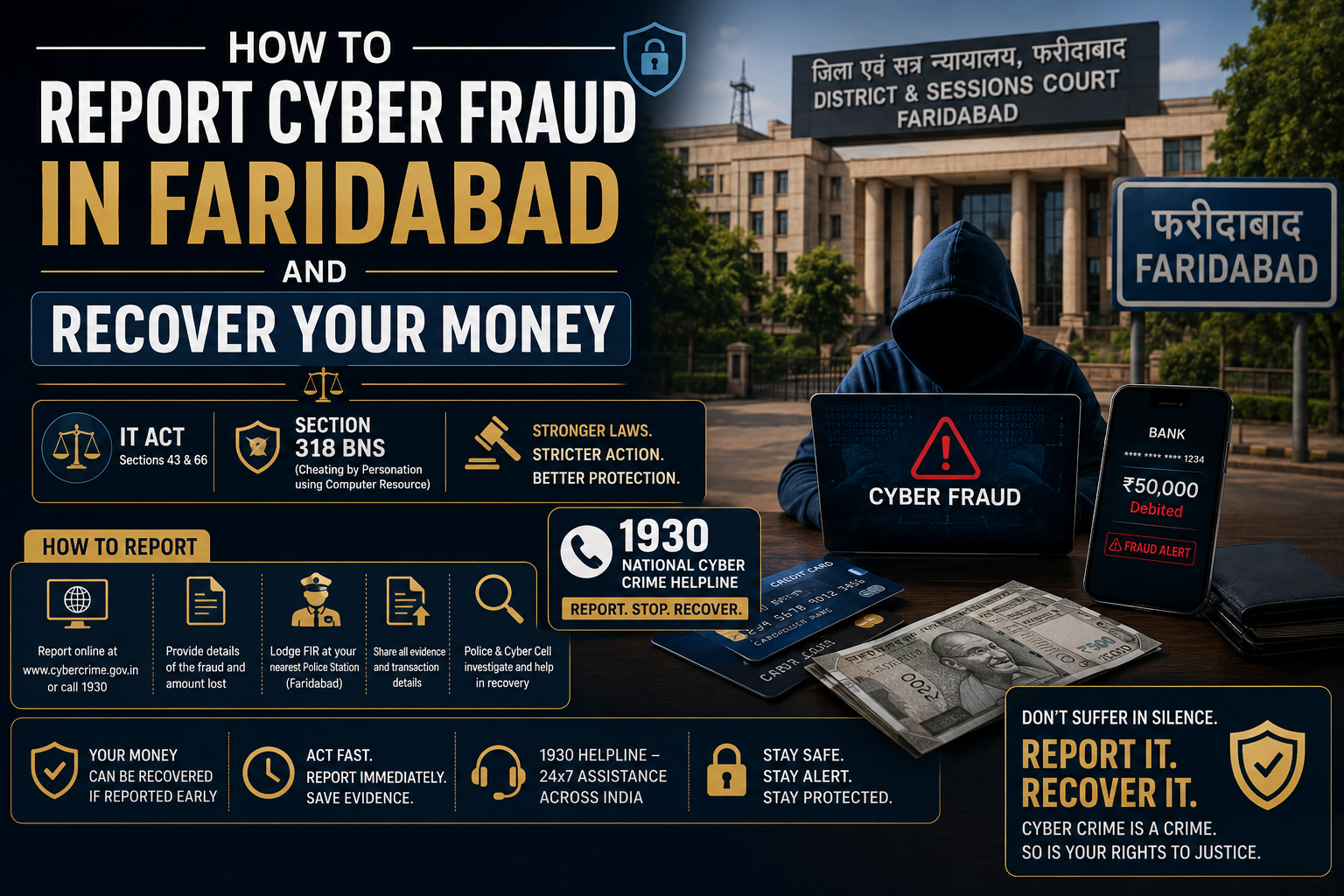
You get an SMS. Money has left your account — money you never authorised. Your hands shake. You call the.